



Adenosine Receptor
P1 receptor
Adenosine receptors (ARs) comprise a group of G protein-coupled receptors (GPCR) which mediate the physiological actions of adenosine. To date, four AR subtypes have been cloned and identified in different tissues. These receptors have distinct localization, signal transduction pathways and different means of regulation upon exposure to agonists. A key property of some of Adenosine receptors is their ability to serve as sensors of cellular oxidative stress, which is transmitted by transcription factors, such as NF-κB, to regulate the expression of ARs. The importance of Adenosine receptors in the regulation of normal and pathological processes such as sleep, the development of cancers and in protection against hearing loss will be examined.
Adenosine Receptor Isoform Specific Products
All Product Categories
-
Adenosine Receptor Inhibitors
(41)
View all products
-
Adenosine Receptor Agonists
(119)
View all products
-
Adenosine Receptor Antagonists
(203)
View all products
-
Adenosine Receptor Activators
(9)
View all products
-
Adenosine Receptor Modulators
(11)
View all products
-
Adenosine Receptor Degrader
(1)
View all products
-
Adenosine Receptor Ligands
(13)
View all products
-
Adenosine Receptor Related Products (428)
Related Products (428)

-
Antibodies (2)
-
Adenosine Receptor Isoform Comparison
-
Adenosine monophosphate-13C10 dilithium
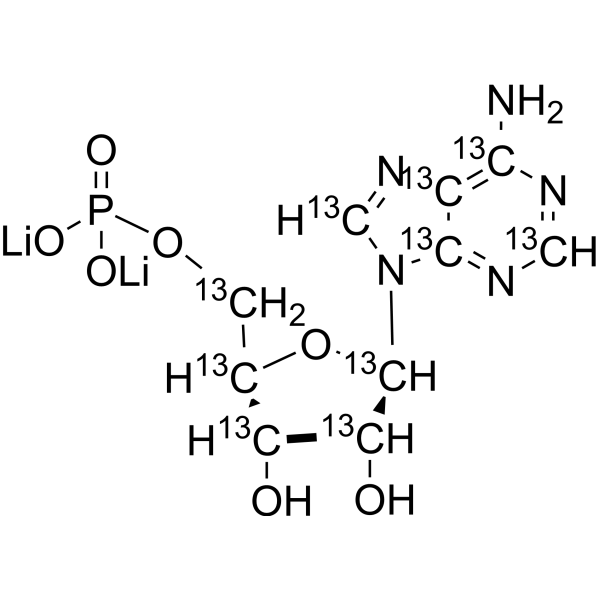 0 ImagesCat. No.: HY-A0181S3Purity: 99.2%Synonyms: AMP-13C10 dilithiumAdenosine monophosphate-13C10 (AMP-13C10) dilithium is 13C-labeled Adenosine monophosphate (HY-A0181). Adenosine monophosphate is an adenosine A1 receptor agonist. Adenosine monophosphate has significant antiviral activity against HSV-1 and HSV-2. Adenosine monophosphate is a key cellular metabolite regulating energy homeostasis and signal transduction.
-
MIPS521
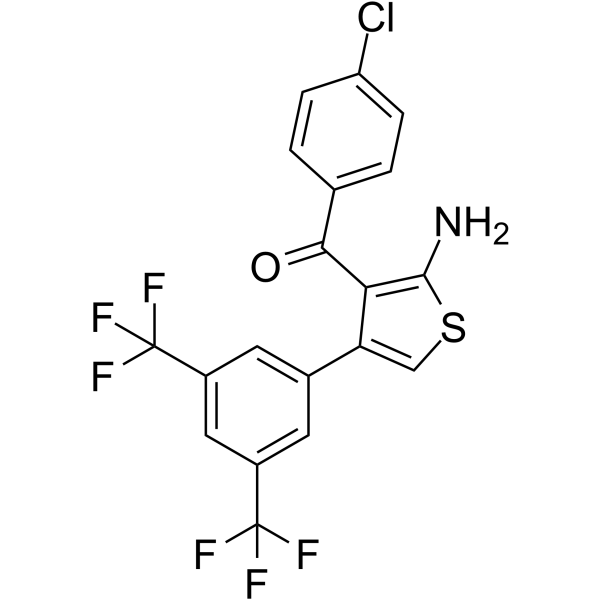 0 ImagesMIPS521 is a positive allosteric modulator of adenosine A1 receptor (A1AR). MIPS521 also has a lower A1R allosteric affinity (pKB=4.95; KB=11 μM). MIPS521 exhibits pain-relieving effects in vivo through modulation of the increased levels of endogenous adenosine.
-
N6-(4-Hydroxybenzyl)adenosine
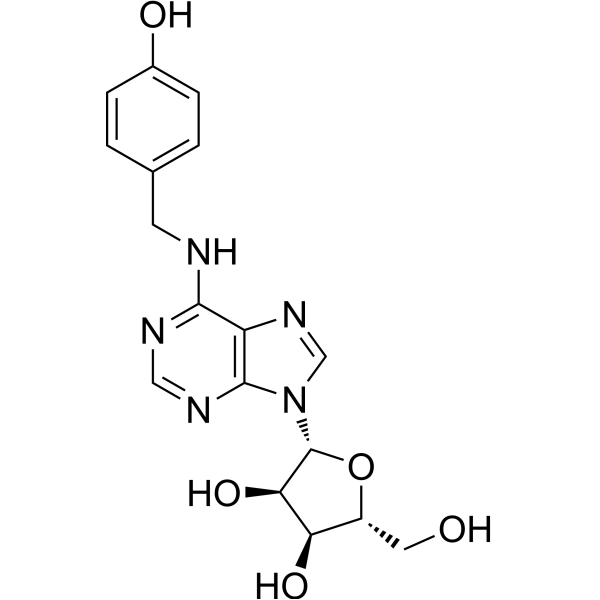 0 ImagesSynonyms: Para-topolin ribosideN6-(4-Hydroxybenzyl) adenosine (Para-topolin riboside) is an equilibrative nucleoside transporter 1 (ENT1) inhibitor and a selective agonist of adenosine A2a receptor (A2aR), and also exhibits activity against P2Y12 receptor. N6-(4-Hydroxybenzyl) adenosine reduces ethanol intake and preference, attenuates operant conditioning-induced ethanol place preference, decreases the value of ethanol-related rewards, and inhibits collagen-induced platelet aggregation. N6-(4-Hydroxybenzyl) adenosine can be used in studies related to alcohol use disorder.
-
Cirazoline hydrochloride
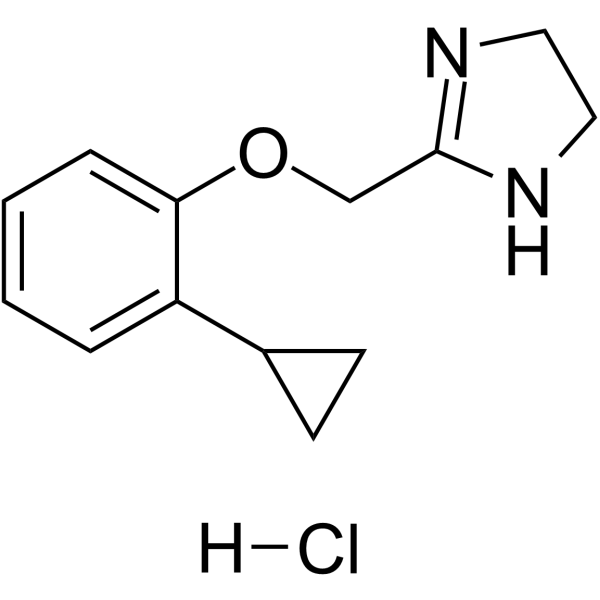 0 ImagesSynonyms: LD 3098 hydrochlorideCirazoline hydrochloride (LD 3098 hydrochloride) is a potent competitive full α1A-adrenergic receptor (α1A-AR) agonist (Ki=120 nM) and only a partial agonist at α1B-AR (Ki= 960 nM) and α1D-AR (Ki=660 nM).
-
Xanthine amine congener hydrochloride
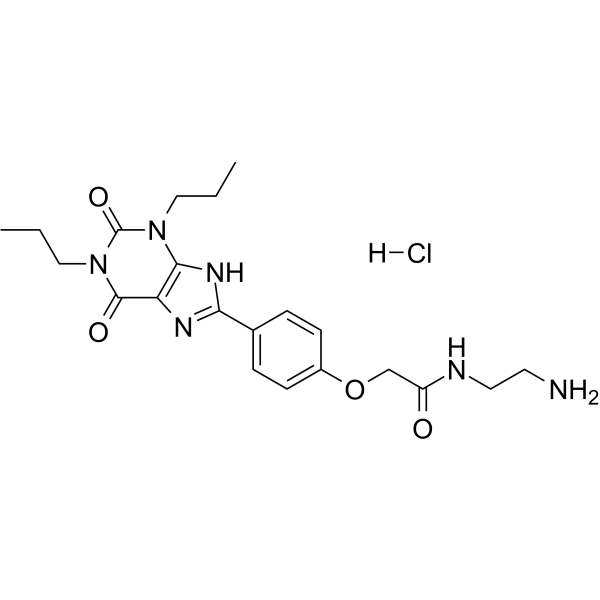 0 ImagesSynonyms: XAC hydrochlorideXanthine amine congener (XAC) hydrochloride is a non-selective adenosine receptor antagonist. Xanthine amine congener hydrochloride induces convulsions in mice.
-
Flavoxate hydrochloride
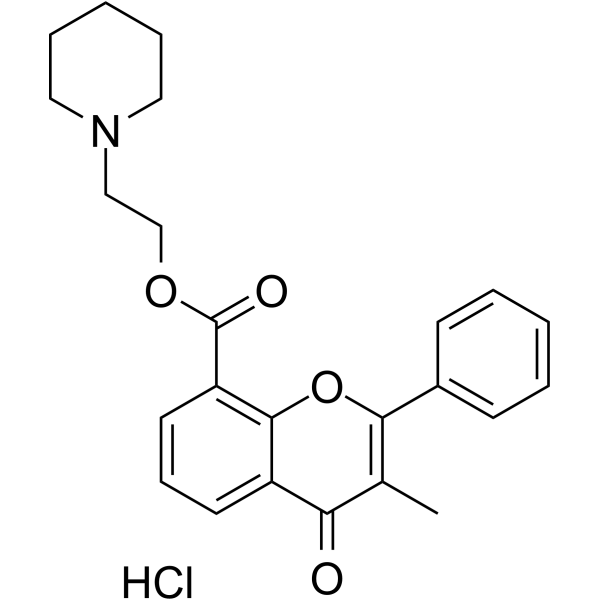 0 ImagesFlavoxate hydrochloride (Rec-7-0040; DW61) is an orally active L-type Ca2+ channel inhibitor and antispasmodic. Flavoxate hydrochloride inhibits cyclic adenosine monophosphate production by blocking voltage-dependent inward Ba2+ currents, regulating the brainstem micturition center, and stimulating G protein-coupled receptors. Consequently, Flavoxate hydrochloride induces relaxation of bladder smooth muscle and inhibits isovolumetric rhythmic contractions. Flavoxate hydrochloride effectively increases bladder capacity and alleviates symptoms of urgent urination frequency and pollakiuria caused by overactive bladder. Flavoxate hydrochloride can be used in research on overactive bladder and related voiding dysfunctions.
-
MRS-1191
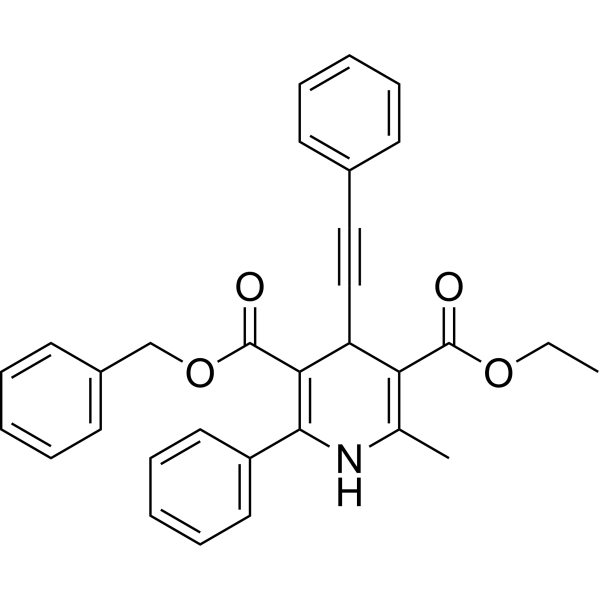 0 ImagesMRS-1191 is a potent and selective A3 adenosine receptor antagonist with a KB value of 92 nM, a Ki value of 31.4 nM for human A3 receptor and an IC50 of 120 nM for CHO cells. MRS-1191 is a click chemistry reagent, it contains an Alkyne group and can undergo copper-catalyzed azide-alkyne cycloaddition (CuAAc) with molecules containing Azide groups.
-
EOS-984
 0 ImagesEOS-984 is a macrocyclic diamine equilibrative nucleoside transporter 1 (ENT1) inhibitor. EOS984 inhibits ENT1 and ENT1-mediated nucleoside transport, restricting adenosine entry into cells via ENT1, thereby attenuating ATP-derived adenosine-mediated T cell immunosuppression and restoring primary human T cell proliferation. EOS984 can be used in research related to ENT1-mediated nucleoside transport, adenosine-related immunosuppression, and tumor immunity.
-
Acefylline
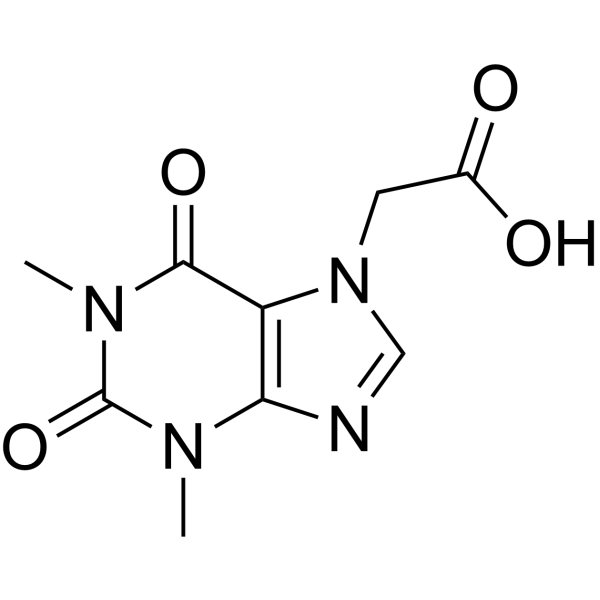 0 ImagesSynonyms: Theophyllineacetic acid; Theophylline-7-acetic acidAcefylline (Theophyllineacetic acid), a xanthine derivative, is an Adenosine Receptor antagonist. Acefylline is a peptidylarginine deiminase (PAD) activator. Acefylline is also a bronchodilator and cardiac stimulant that inhibits rat lung cAMP phosphodiesterase isoenzymes. Acefylline can be used in asthma research.
-
(-)-N6-Phenylisopropyl adenosine
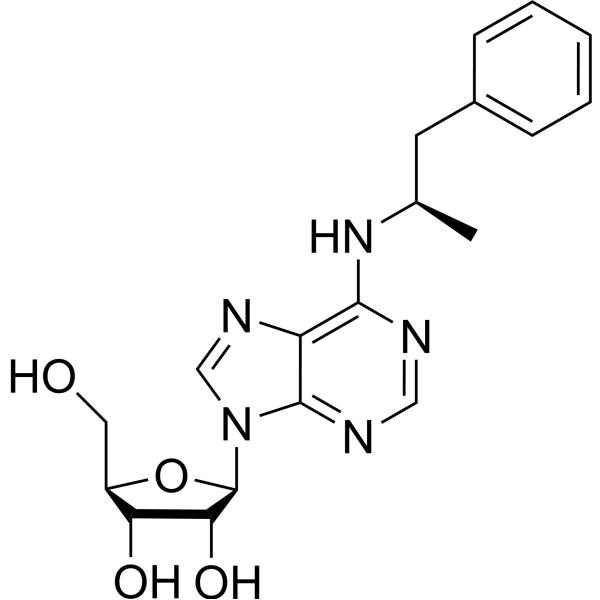 0 ImagesSynonyms: L-Phenylisopropyladenosine; L-PIA; R-PIA(-)-N6-phenylisopropyl adenosine (L-Phenylisopropyladenosine) is a selective A1 adenosine receptor agonist. (-)-N6-phenylisopropyl adenosine inhibits K+-induced Ca2+ uptake with an IC50 value of 0.5 µM. (-)-N6-phenylisopropyl adenosine protects against ischemia-induced ventricular arrhythmias and atrial fibrillation, and exacerbates ethanol withdrawal symptoms. (-)-N6-phenylisopropyl adenosine also has analgesic effects.
-
ABT-702
 0 ImagesABT-702 (Adenosine Kinase Inhibitor) is a potent, orally active, and selective adenosine kinase (AK) inhibitor with an IC50 of 1.7 nM. ABT-702 shows >1300-fold selectivity for AK over other biological targets, including cyclooxygenases-1 and -2. ABT-702 attenuates inflammation in diabetic retinopathy by increasing free adenosine levels. ABT-702 shows analgesic and anti-inflammatory effects in vivo. ABT-702 can be used for diabetic retinopathy research.
-
Rolofylline
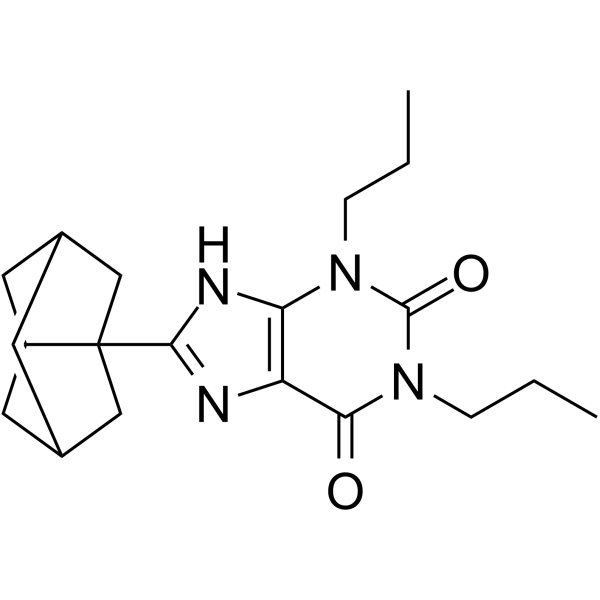 0 ImagesSynonyms: KW-3902Rolofylline (KW-3902) is a potent, selective adenosine A1 receptor antagonist that is under development for the treatment of patients with acute congestive heart failure and renal impairment. Rolofylline is metabolized primarily to the pharmacologically active M1-trans and M1-cis metabolites by cytochrome P450 (CYP450). Rolofylline is alleviating the presynaptic dysfunction and restores neuronal activity as well as dendritic spine levels in vitro, is an interesting candidate to combat the hypometabolism and neuronal dysfunction associated with Tau-induced neurodegenerative diseases.
-
VUF-5574
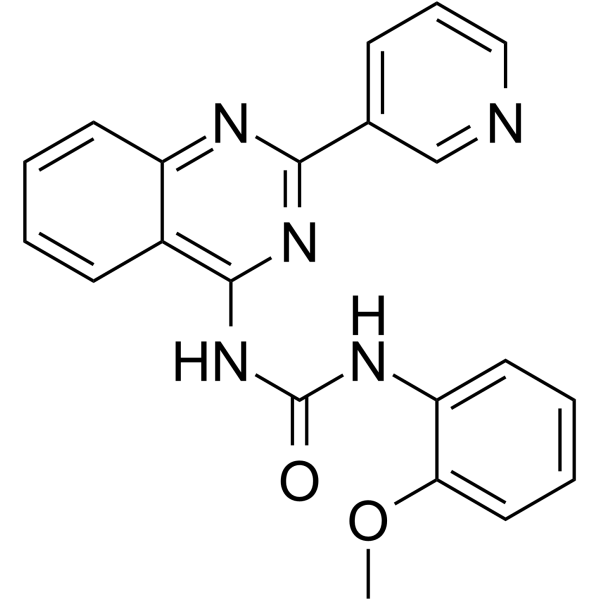 0 ImagesVUF-5574 is a selective antagonist of adenosine A3 receptor with a Ki of 4.03 nM for the recombinant human receptor.
-
Taminadenant
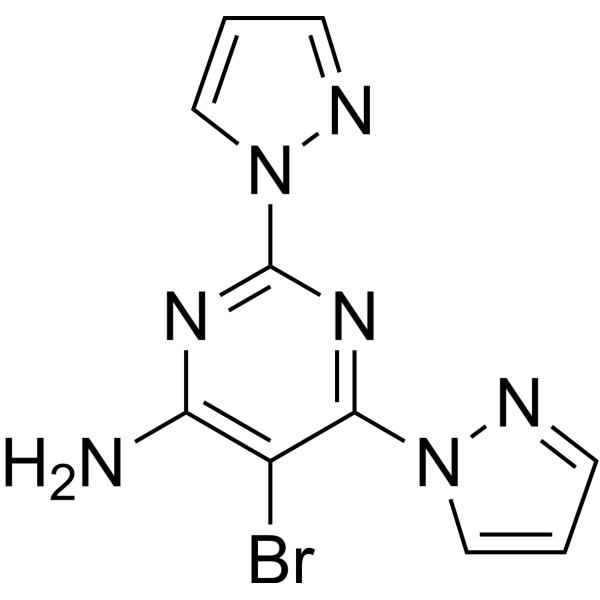 0 ImagesSynonyms: NIR178; PBF509Taminadenant (NIR178; PBF509) is a highly potent and orally active adenosine A2A receptor (A2AR) antagonist. Taminadenant can antagonize A2AR agonist-mediated cAMP accumulation and impedance responses with KB values of 72.8 nM and 8.2 nM, respectively. Taminadenant reverses motor impairments in several rat models of movement disorders, including catalepsy, tremor, and hemiparkinsonism. Taminadenant can also inhibit tumor growth when combined with Spartalizumab (HY-P9972). Taminadenant reactivate the antitumor immune response.
-
A2AR-agonist-1
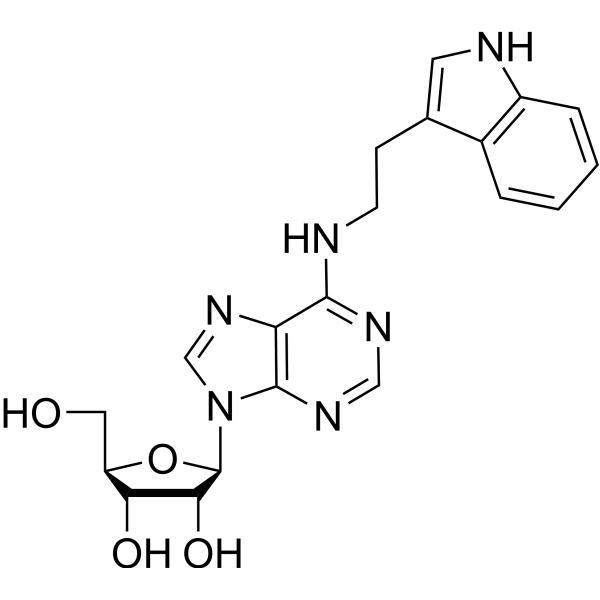 0 ImagesA2AR-agonist-1 is a potent A2AR agonist and ENT1 inhibitor with Ki of 4.39 and 3.47 for A2AR and ENT1.
-
Theophylline monohydrate
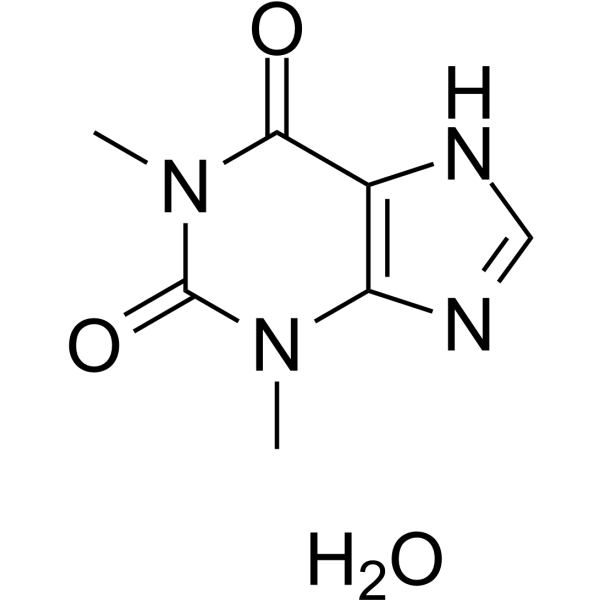 0 ImagesSynonyms: 1,3-Dimethylxanthine monohydrate; Theo-24 monohydrateTheophylline (1,3-Dimethylxanthine) monohydrate is a potent phosphodiesterase (PDE) inhibitor, adenosine receptor antagonist, and histone deacetylase (HDAC) activator. Theophylline (1,3-Dimethylxanthine) monohydrate inhibits PDE3 activity to relax airway smooth muscle. Theophylline (1,3-Dimethylxanthine) monohydrate has anti-inflammatory activity by increase IL-10 and inhibit NF-κB into the nucleus. Theophylline (1,3-Dimethylxanthine) monohydrate induces apoptosis. Theophylline (1,3-Dimethylxanthine) monohydrate can be used for asthma and chronic obstructive pulmonary disease (COPD) research.
-
MRS-1706
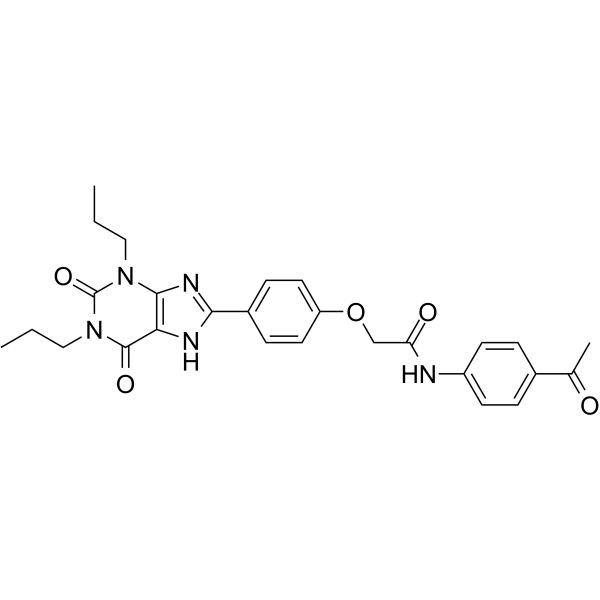 0 ImagesMRS-1706 is a potent and selective adenosine A2B receptor inverse agonist. MRS-1706 has Ki values of 1.39, 112, 157, and 230 nM for human A2B, A2A, A1 and A3 receptors respectively. MRS-1706 blocks adenosine-mediated cAMP induction.
-
Adenosine receptor inhibitor 1
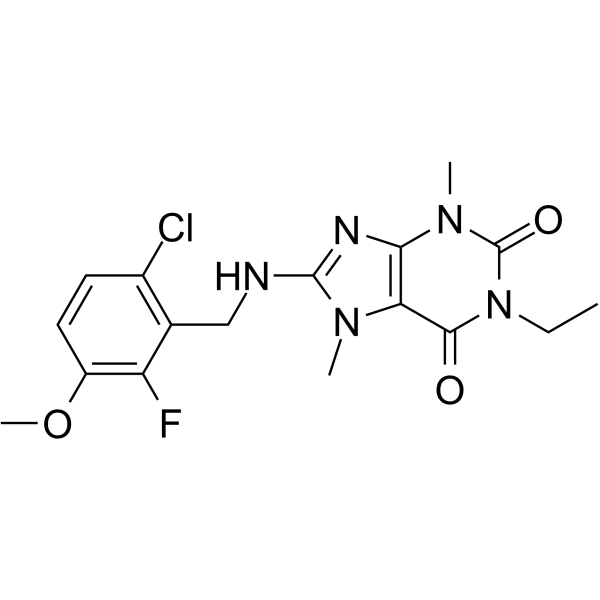 0 ImagesAdenosine receptor inhibitor 1 is a potent and selective adenosine receptor (AR) inhibitor with Ki values of >1000, 68.5, >1000, >1000 nM for A1AR, A2AAR, A2BAR, A3AR, respectively. Adenosine receptor inhibitor 1 shows antinociceptive activity, anti-inflammatory effect and peripheral analgesic effect. Adenosine receptor inhibitor 1 has the potential for the research of cancer or neurodegenerative diseases.
-
TAT-GluA2 3Y
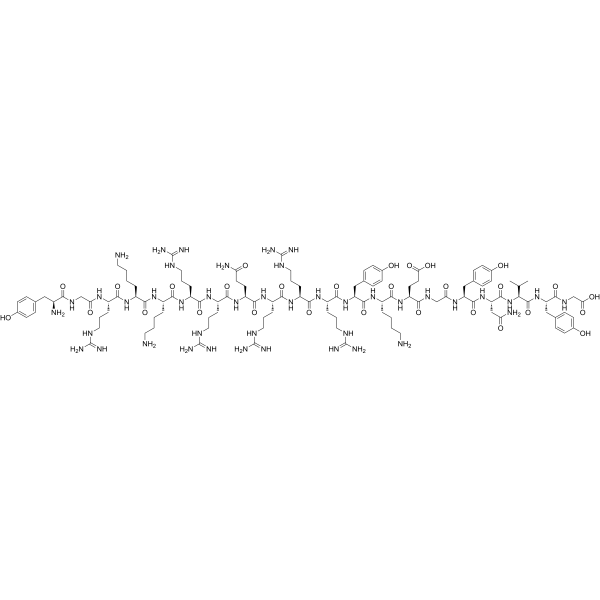 0 ImagesTAT-GluA2 3Y is a blood-brain barrier-permeable AMPA receptor inhibitory peptide that crosses cell membranes via the HIV-1 TAT protein domain. TAT-GluA2 3Y blocks the endocytosis of AMPA receptors, including the internalization of GluA1/GluA2 subunits, by disrupting interactions with the AP2, Brag2 and Syt3-GluA2 complexes, while also inhibiting long-term depression. TAT-GluA2 3Y blocks hypoxia-mediated AMPAR internalization, alleviates A1R-induced persistent synaptic inhibition, and reduces cerebral ischemic volume, neurological deficits and spatial memory deficits. TAT-GluA2 3Y blocks the effect of NLRP3 deficiency on fear generalization, inhibits amphetamine-induced behavioral/neurochemical sensitization, weakens the unconditioned stimulus-conditioned stimulus association of morphine, and promotes the extinction of morphine CPP. TAT-GluA2 3Y can be used in studies related to fear generalization, ischemic stroke, hypoxia, drug addiction and opioid addiction.




